 DRIVINGO
Road markings
Road markings do the same job as signs but are painted on the carriageway itself, where you are already looking. As a rule of thumb the more paint there is, the more important the message: a solid line carries more weight than a broken one, and a double line more than a single. Yellow and red lines along the edge of the road control waiting and stopping, white lines along and across the carriageway control where you may drive and where you must give way, and yellow marks on the kerb control loading. Signs on nearby posts give the times that the coloured lines apply, so the paint alone rarely tells the whole story.
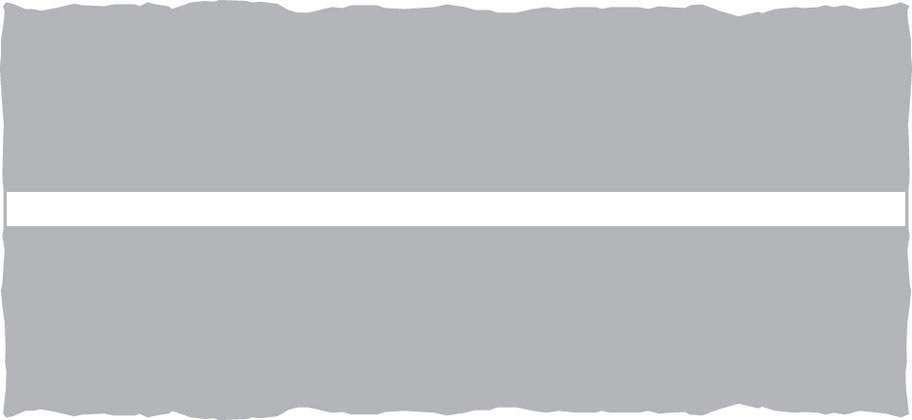 Stop line at signals or police control
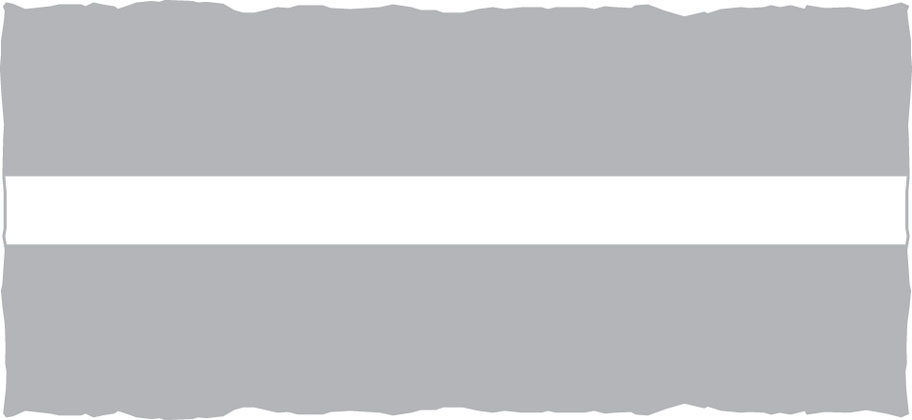 Stop line at a Stop sign
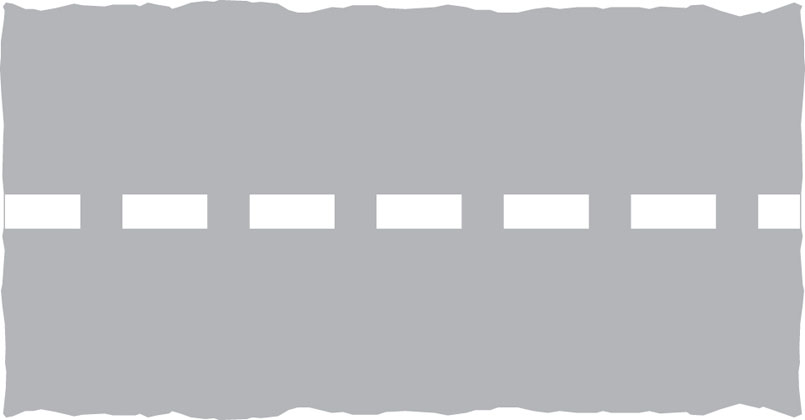 Stop line for pedestrians at a level crossing
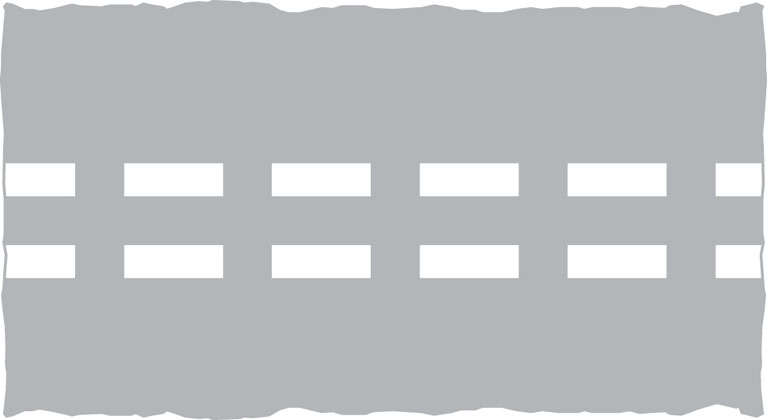 Give way to traffic on a major road
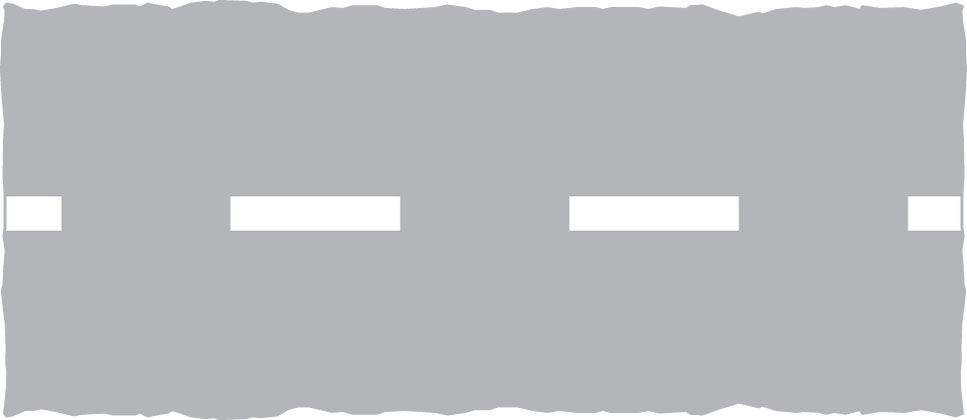 Give way to traffic from the right at a roundabout
 Give way to traffic from the right at a mini-roundabout
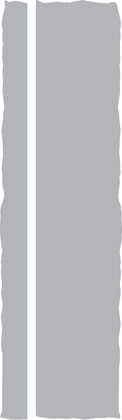 Edge line
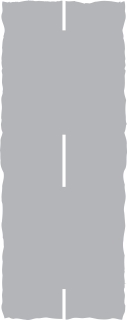 Centre line
 Hazard warning line
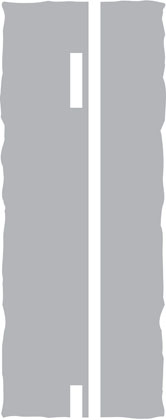 Double white lines, broken line nearest you
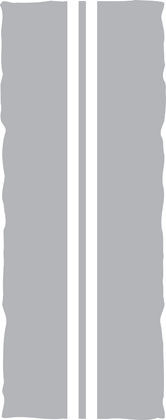 Double white lines, solid line nearest you
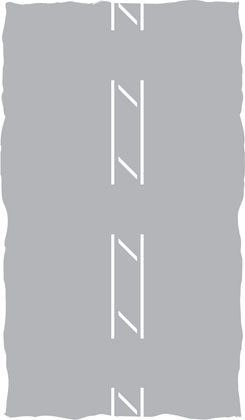 Areas of diagonal stripes or chevrons
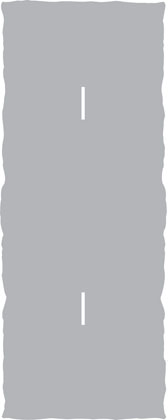 Lane line
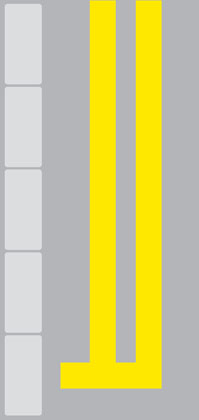 Double yellow lines
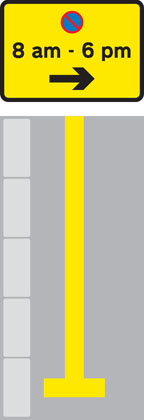 Single yellow line
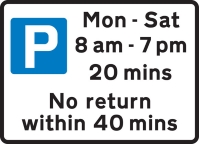 Parking restriction plate
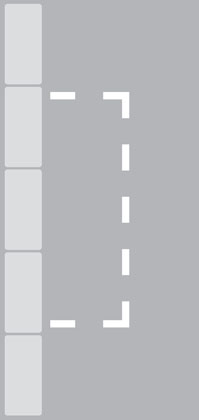 Limited waiting bay
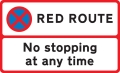 Red Route: no stopping at any time
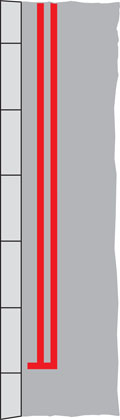 Double red lines
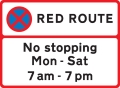 Red Route: no stopping during the times shown
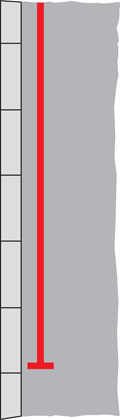 Single red line
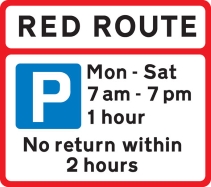 Red Route parking sign
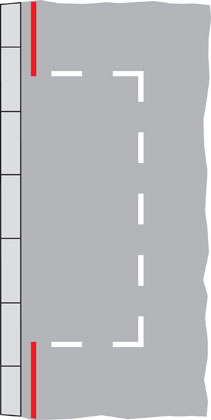 Red Route parking box
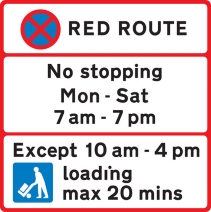 Red Route: loading exception sign
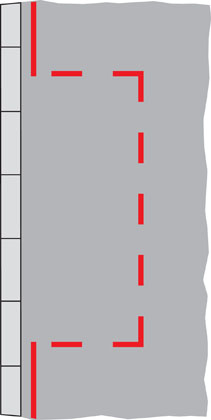 Red Route loading box
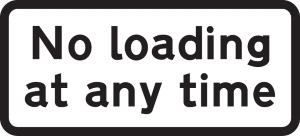 No loading at any time
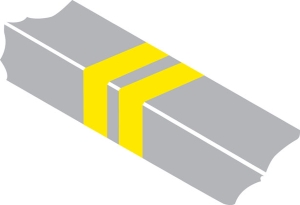 Double kerb marks: no loading at any time
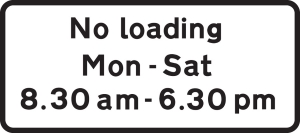 No loading during the times shown
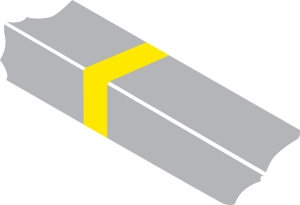 Single kerb mark: no loading during the times shown
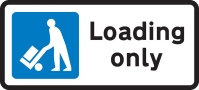 Loading only
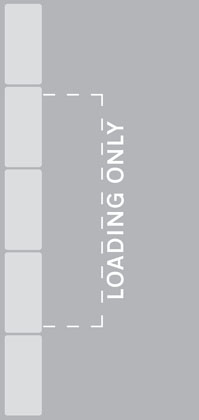 Loading bay
 School keep clear
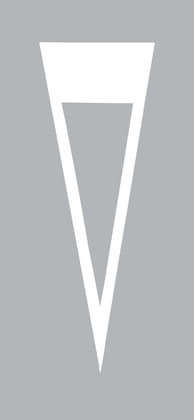 Give way triangle
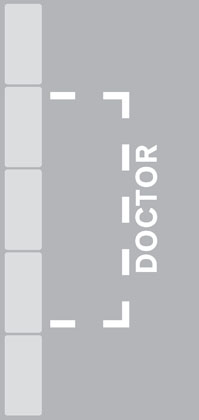 Reserved parking space
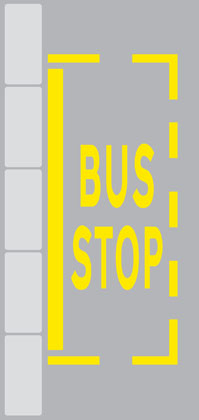 Bus stop markings
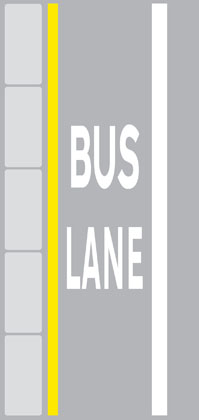 Bus lane markings
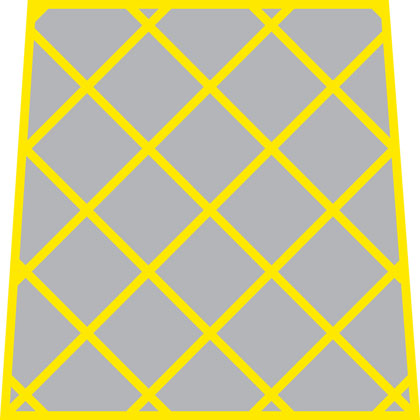 Box junction
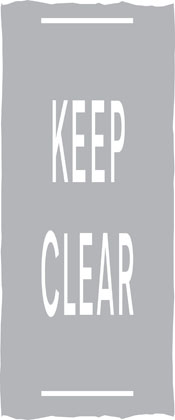 Keep clear
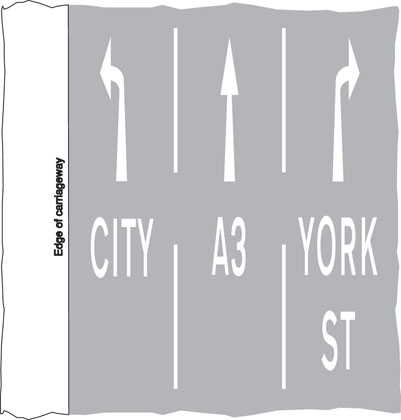 Lane destination arrows
Contains public sector information licensed under the Open Government Licence v3.0.