UK Road and Traffic Signs
All 261 signs, road markings and signals from the official theory test syllabus, explained in plain English and grouped the way the Highway Code groups them.
Signs giving orders
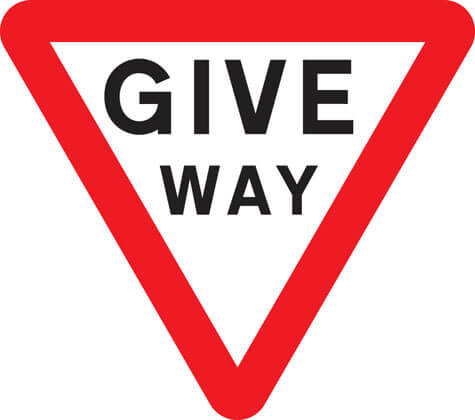
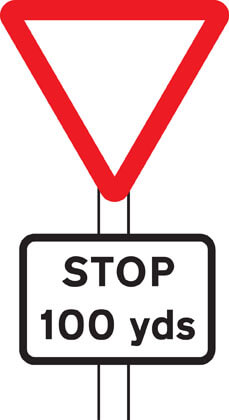
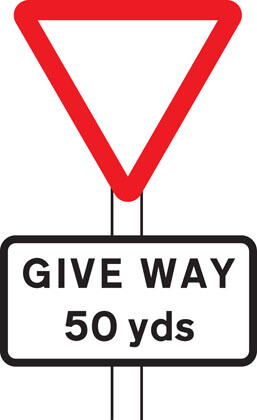
Signs giving orders are mostly circular. A red ring or red circle means something is prohibited, while a blue circle gives a positive instruction that must be followed. A few, such as the octagonal STOP sign and the inverted triangle give way sign, have their own shapes so they can still be recognised if the face is dirty or obscured. Disobeying a sign that gives an order is an offence, not just poor practice.
48 in this section
Warning signs
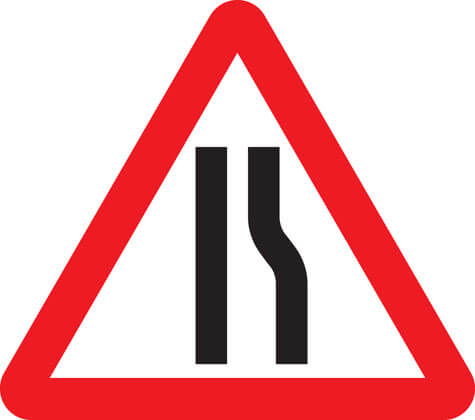
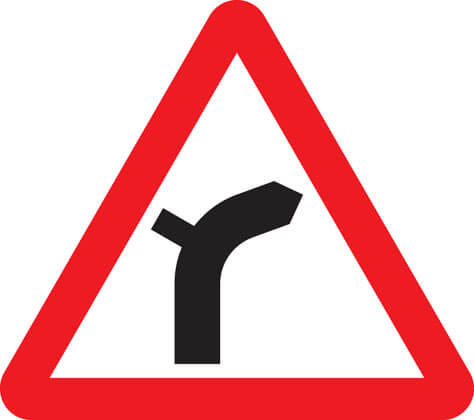
Warning signs are mostly red-bordered triangles with a black symbol on a white background. They tell you what to expect further along the road so that you can adjust your speed and position before you reach the hazard. A warning sign never gives an order on its own, but ignoring one usually leads straight into a situation where the rules do apply.
54 in this section
Direction signs
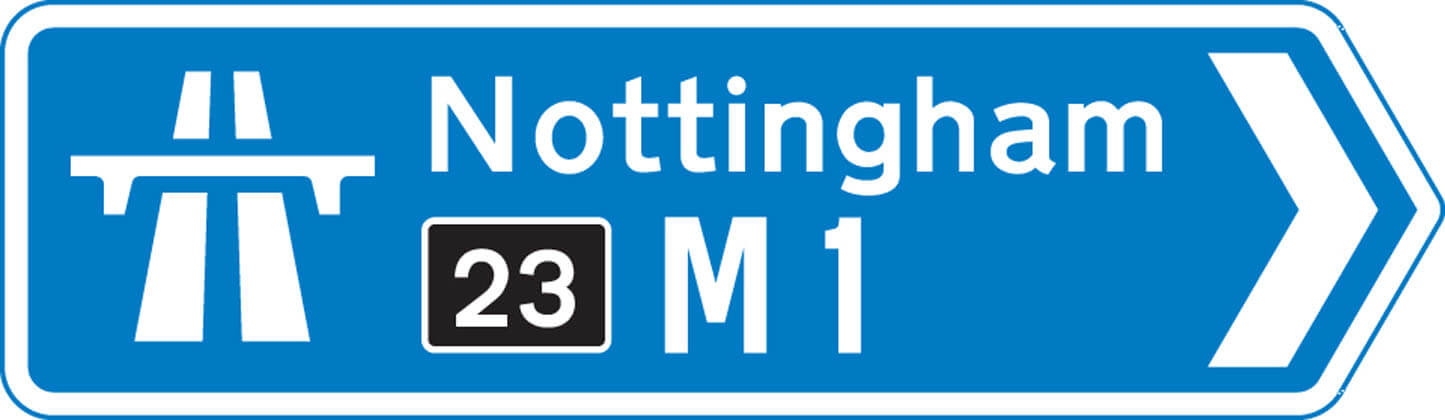
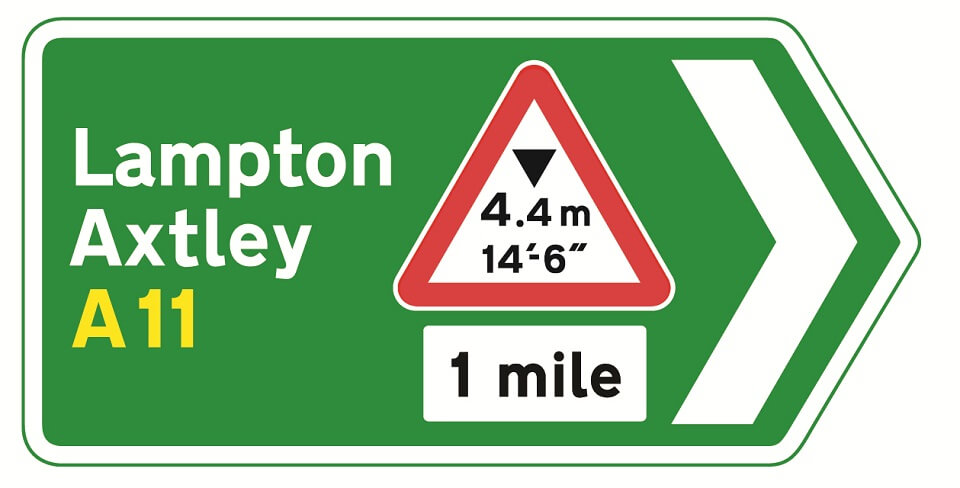
Direction signs are colour coded so you can tell at a glance which kind of road a route leads to: blue for motorways, green for primary routes, and white with a black border for other local roads. Brown signs point to tourist attractions and facilities, while yellow ones mark temporary diversions. None of them gives an order, but reading them early is what lets you be in the right lane before you need to be.
30 in this section

Information signs
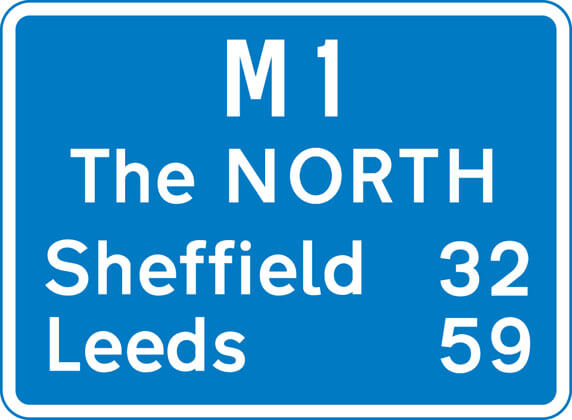
Information signs are mostly rectangular. They do not give orders or warn of hazards; they tell you what kind of road you are on, what facilities lie ahead, and how the traffic around you is organised. Blue rectangles are used on motorways and for general information, while other colours follow the same conventions as the direction signs they sit alongside.
25 in this section
Road works signs
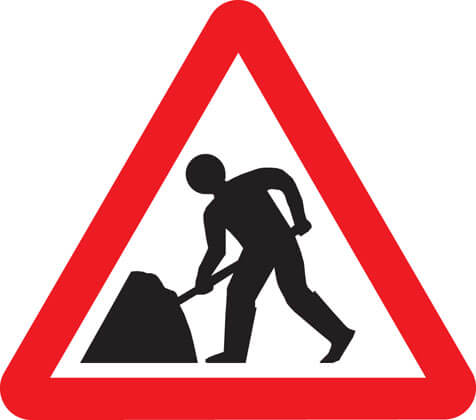
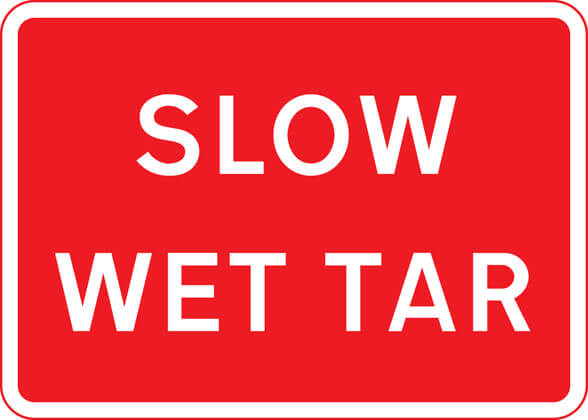
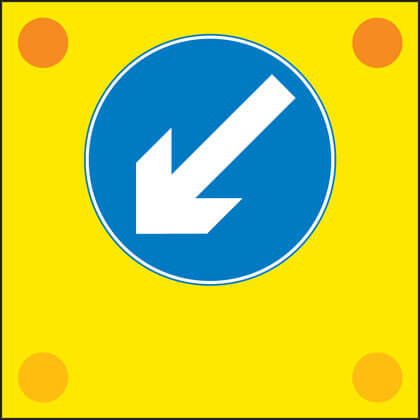
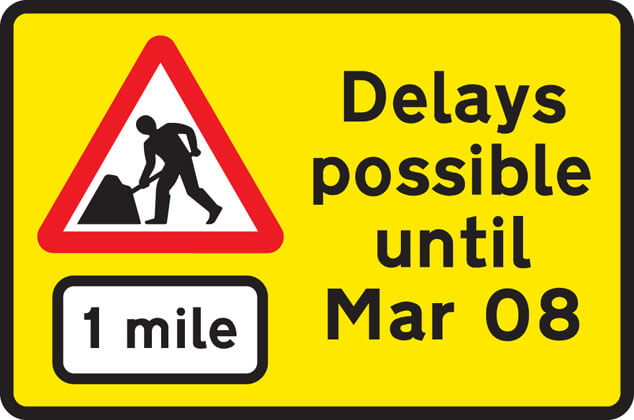
Road works signs are yellow or use temporary yellow backing so they stand out from the permanent signs around them, and while the works are in place they take priority over the normal signing and markings. They cover everything from advance warning of works a mile away to the boards carried on the back of the works vehicles themselves. Temporary speed limits shown in a red circle are legal limits, not advice.
12 in this section
Road markings
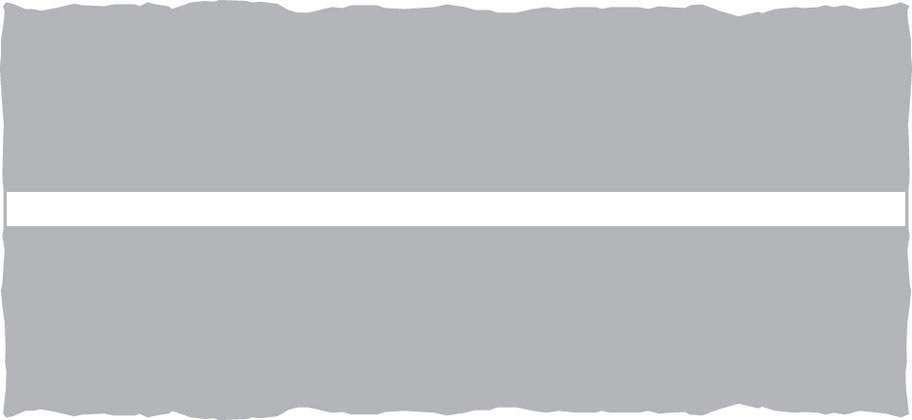
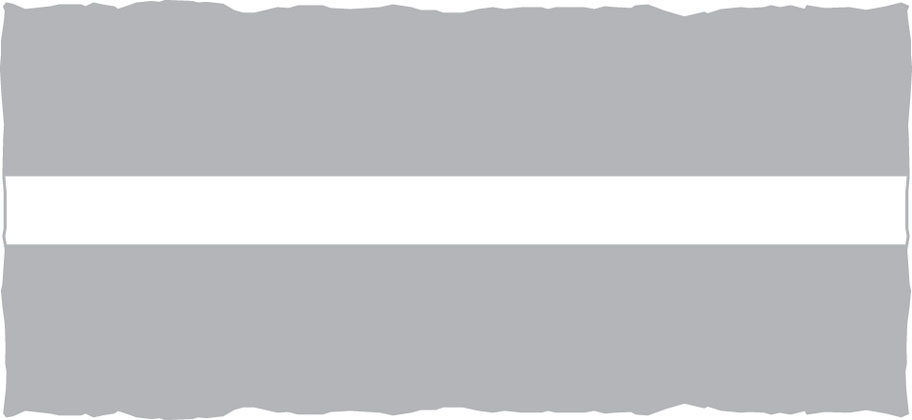
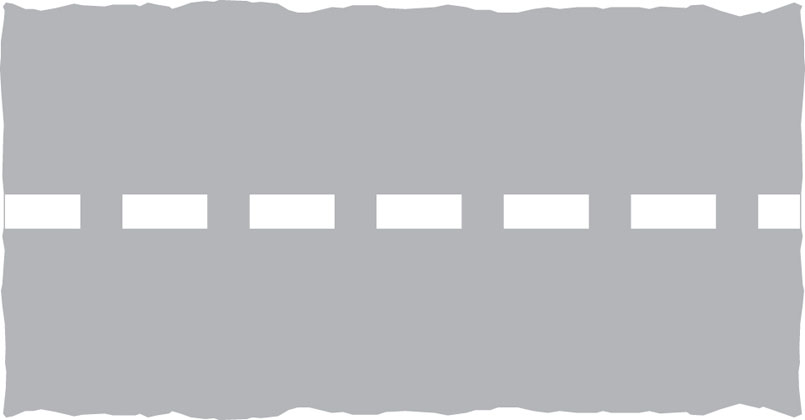
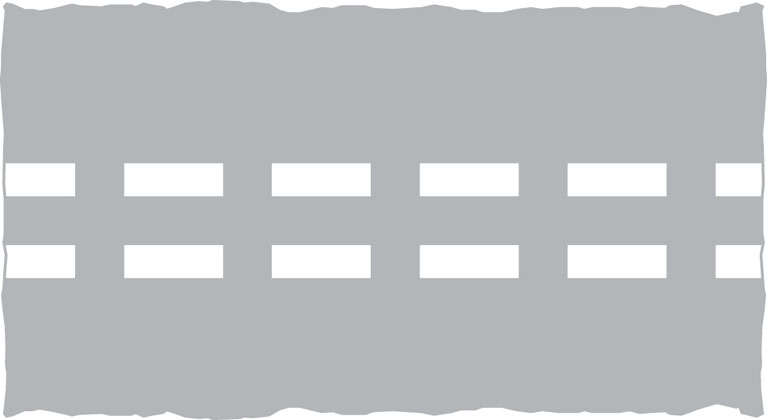
Road markings do the same job as signs but are painted on the carriageway itself, where you are already looking. As a rule of thumb the more paint there is, the more important the message: a solid line carries more weight than a broken one, and a double line more than a single. Yellow and red lines along the edge of the road control waiting and stopping, white lines along and across the carriageway control where you may drive and where you must give way, and yellow marks on the kerb control loading. Signs on nearby posts give the times that the coloured lines apply, so the paint alone rarely tells the whole story.
39 in this section
Light signals controlling traffic
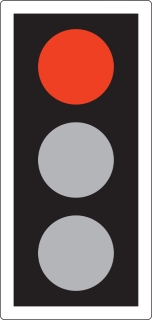
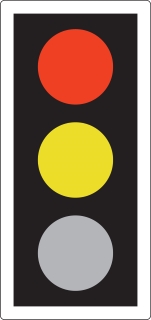
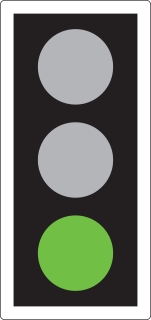
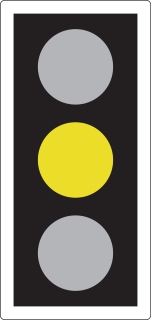
Light signals give instructions that change from moment to moment, which is what separates them from a fixed sign. Traffic lights control junctions and crossings through a fixed sequence, so knowing what follows what is as useful as knowing what each colour means on its own. Motorway signals appear on gantries and at the roadside to close lanes, set temporary speed limits and warn of hazards you cannot yet see. Where a signal and a fixed sign disagree, the signal is the one telling you about conditions right now.
15 in this section
Signals by authorised persons
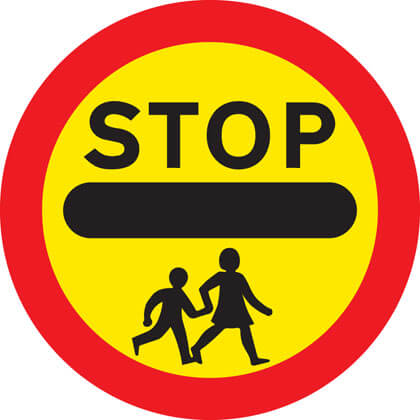
Some people can direct traffic in person, and their signals override the signs and markings around them. Police officers, traffic officers, traffic wardens and school crossing patrols all have that authority, and you must obey them: an officer directing you through a red light is giving a lawful instruction. Because these signals are given by hand rather than by machine, they are easy to misread, so it is worth knowing which arm position means stop from which direction. The same section also covers the signals you give to a person controlling traffic, so they know which way you want to go.
15 in this section
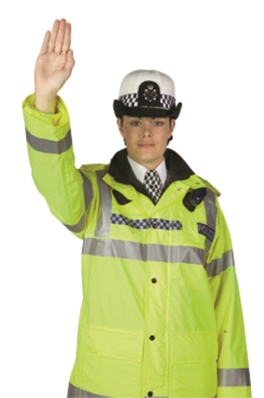
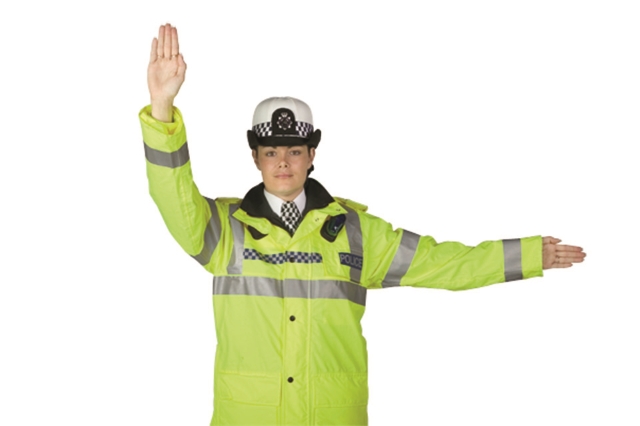
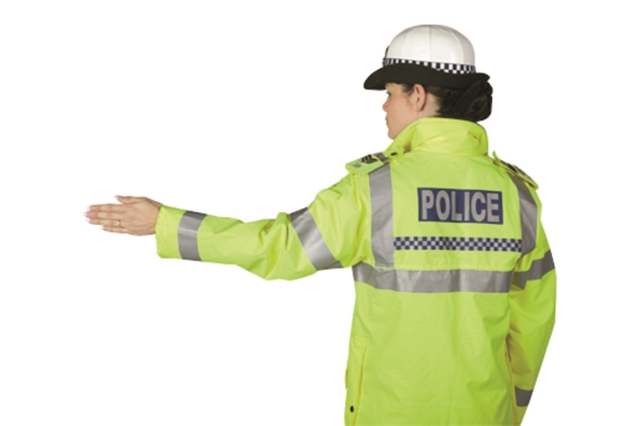
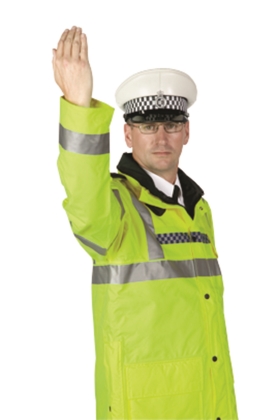
Signals to other road users
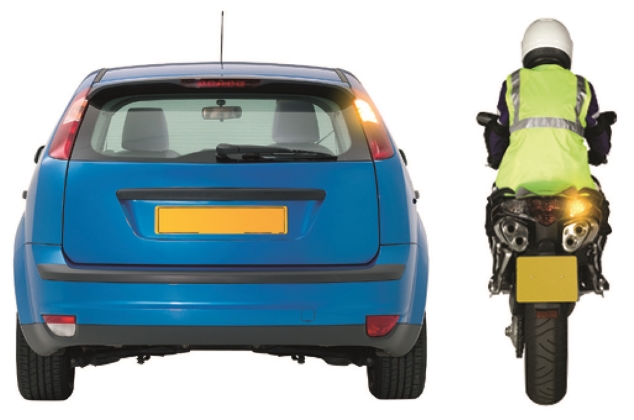
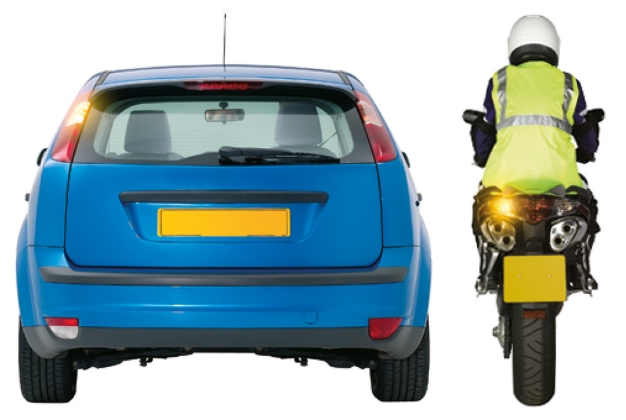
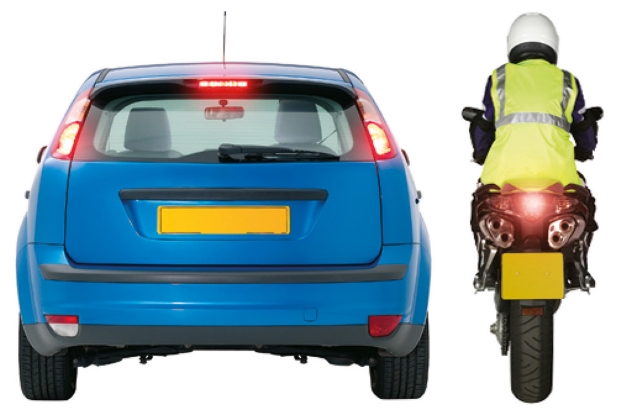
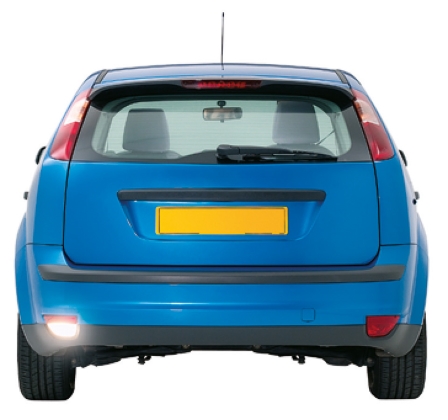
These are the signals you give rather than the ones you obey. Indicators, brake lights and reversing lights do most of the work automatically, but they only say what you are doing, not what you intend, and they can be missed in bright sunlight or heavy spray. Arm signals exist for the moments when that is not good enough: when your indicators may not have been seen, when you want to confirm what the lights are already saying, or when you are on a bicycle or motorcycle and the lights are small. A signal should never be an instruction to another road user to proceed.
11 in this section
Vehicle markings
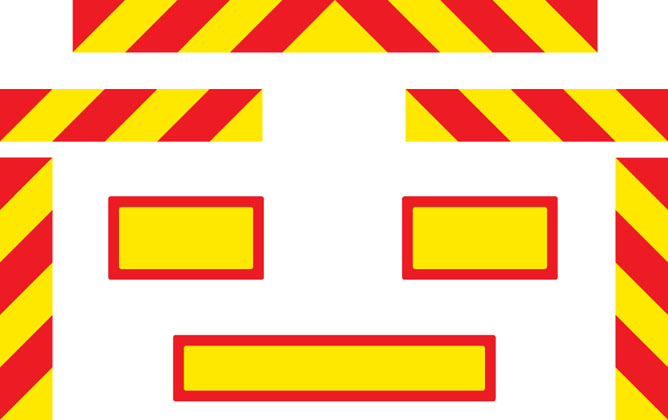
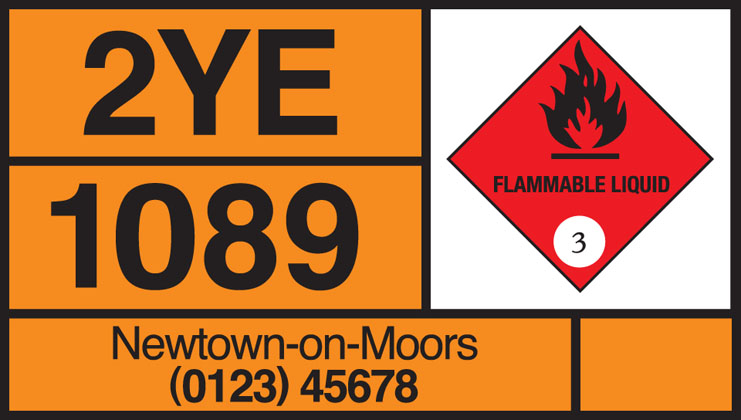
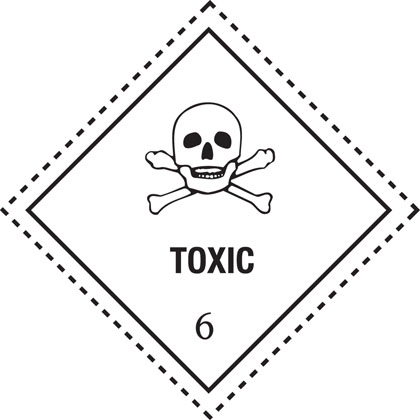
Some signs travel on the vehicle rather than standing beside the road, and they tell you something about the vehicle you are following or passing. Large goods vehicles carry reflective rear markings so their size and position can be judged at night. Vehicles carrying dangerous goods display orange panels and diamond hazard symbols that tell the emergency services what they are dealing with, which matters enormously at the scene of a collision. Projection markers warn that a load extends beyond the body of the vehicle, well past the point where you might expect it to end.
12 in this section